What is the difference between NRSWA O1 and Lantra T1 and T2
The NRSWA Unit O1 and Lantra T1 and T2 are both traffic management courses, but they focus on different aspects of roadworks and traffic safety. Let’s break down the key differences below.
NRSWA Unit O1 (Signing, Lighting, and Guarding)
The NRSWA Unit O1 is part of the New Roads and Street Works Act (NRSWA), a set of regulations governing streetworks in the UK. Unit O1 focuses specifically on signing, lighting, and guarding for streetworks, which are the physical traffic management measures put in place around a roadwork site. It ensures that appropriate safety precautions are taken to protect both the road users and workers during streetworks.
NRSWA Unit O1 Key Areas Covered
The NRSWA Unit O1 is designed for those involved in the physical setup and maintenance of traffic management measures on site, such as streetworks operatives, traffic marshals, or site supervisors, and it covers the following key areas:
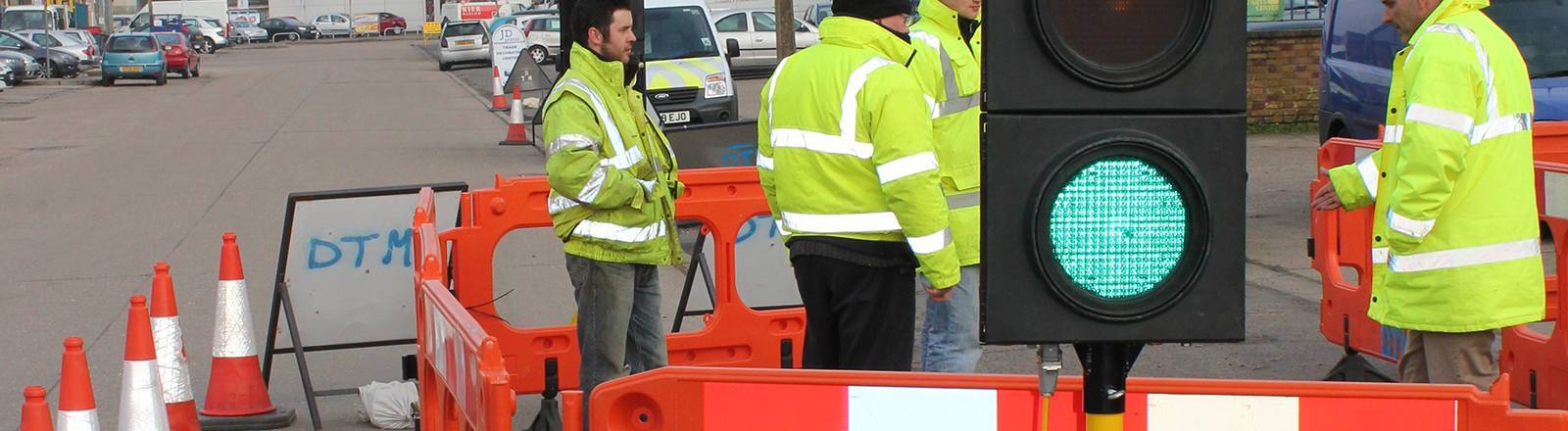
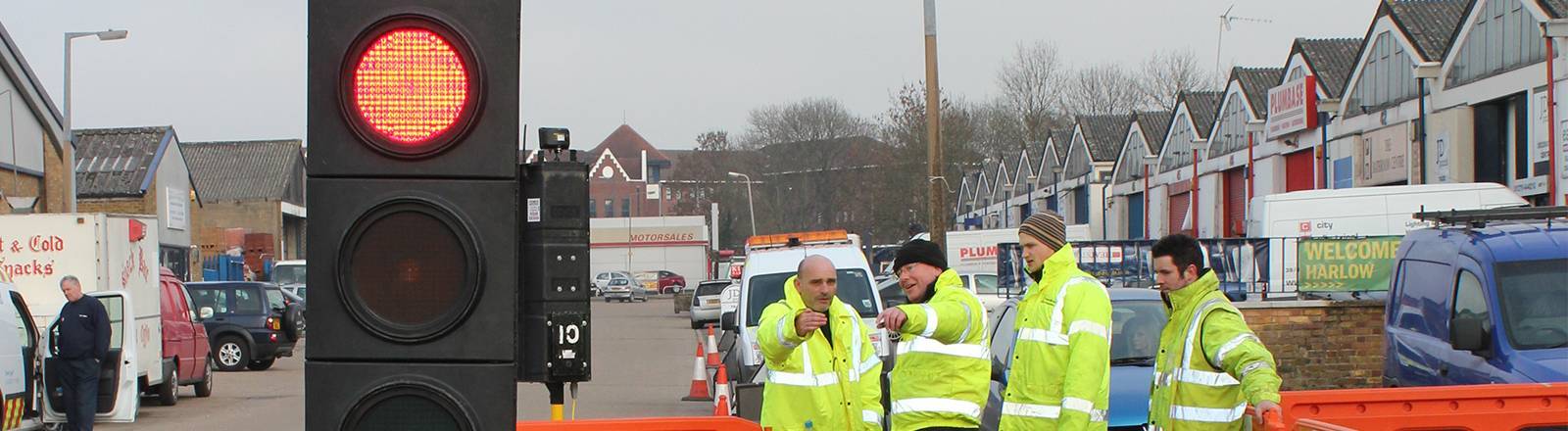
- Traffic Management Safety: Ensuring that signs, barriers, cones, and traffic lights are correctly installed to safeguard workers and the public.
- Practical Application: Focused training on the correct setup, positioning, and maintenance of traffic management measures.
- Legal Compliance: Understanding and meeting the legal obligations under the NRSWA and associated codes of practice.
- Hazard Management: Conducting risk assessments and minimizing potential dangers to pedestrians, motorists, and site workers.
- Use of Traffic Control Systems: Implementing and managing stop/go boards, portable traffic signals, and other control systems.
- Safety Zones and Site Layouts: Designing safe working areas with adequate spacing, signage, and visibility.

Lantra T1 and T2 (Traffic Management)
The Lantra T1 and T2 courses are part of Lantra’s Traffic Management training program and are aimed at people involved in traffic management for roadworks. While both T1 and T2 focus on setting up traffic management measures, they are designed for different levels of responsibility and types of tasks.
Lantra T1 (Temporary Traffic Management – Basic Level)
Lantra T1 is the entry-level course in temporary traffic management. It provides the basic knowledge and skills needed to set up traffic management for low-risk or short-duration roadworks.
Key Areas Covered in T1:
- Basic Traffic Management: Setting up signs, cones, and barriers for roadworks.
- Health and Safety: Understanding the risks and how to minimise them during temporary roadworks.
- Basic Setup: Learning how to apply the necessary traffic control measures in simpler situations.
T1 is typically aimed at individuals with limited experience in traffic management or those involved in short-term, low-risk roadwork projects (e.g., small construction sites, road repairs).
Lantra T2 (Temporary Traffic Management – Advanced Level)
Lantra T2 is more advanced and builds on the knowledge from T1. It covers more complex traffic management schemes for larger or longer-duration roadworks, typically involving diversions or managing high-traffic areas.
Key Areas Covered in T2:
- Complex Traffic Management: Designing and implementing traffic control measures for larger, more complex roadwork scenarios.
- Temporary Road Closures and Diversions: Managing traffic flow through diversions, road closures, and other temporary alterations to the road network.
- Legal and Safety Requirements: Ensuring traffic management designs comply with relevant traffic regulations and safety standards (e.g., Chapter 8 of the Traffic Signs Manual).
- Sign and Barrier Placement: Correct placement of signs and barriers for longer-term projects.
T2 is intended for supervisors, managers, or those responsible for designing and overseeing traffic management schemes for larger or more complex roadworks. This may involve significant road closures or diversions.
Key Differences between NRSWA O1 and Lantra T1 and T2
| Aspect | NRSWA Unit O1 | Lantra T1 | Lantra T2 |
| Focus | Signing, lighting, and guarding for streetworks | Basic setup of traffic management for simple works | Advanced traffic management for complex works |
| Level | Entry-level, but more specialized for streetworks | Entry-level in traffic management (basic) | Advanced level in traffic management (complex) |
| Training Content | Physical setup of traffic signs, barriers, and lights | Basic setup and application of temporary traffic measures | Complex planning and management of traffic systems for roadworks |
| Target Audience | Operatives, site workers, and supervisors handling roadworks | Beginners or those involved in short-duration, low-risk traffic management | Supervisors, engineers, or those responsible for large-scale roadworks or diversions |
| Complexity | Focused on the practical implementation of safety measures | Basic practical application of traffic management | Design and planning for more complex traffic management scenarios |